
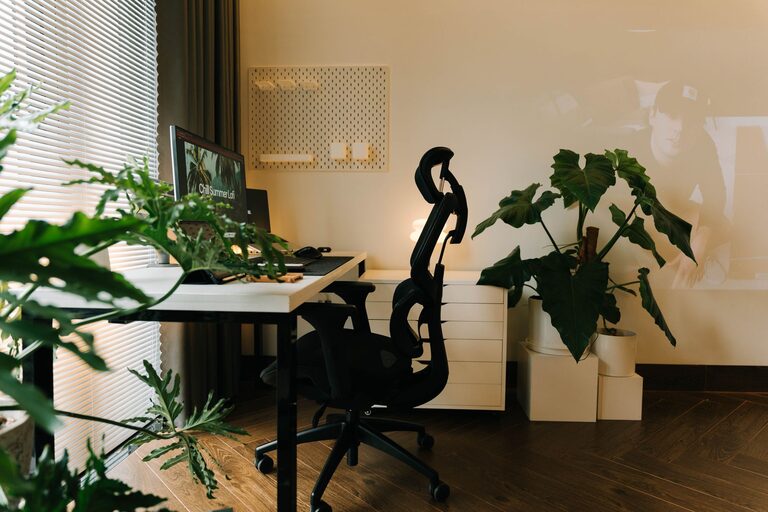
Creating a home office that is both comfortable and productive can make a significant difference in your work-from-home experience. Whether you are new to remote work or looking to improve your current setup, the right environment can help you stay focused, reduce stress, and maintain a healthy work-life balance. In this post, we’ll explore practical tips and ideas for designing a home office space tailored to your needs.
Why a Good Home Office Matters
Working from home comes with many perks, like flexibility and no commute. However, without a proper workspace, distractions can multiply and impact your productivity. A well-thought-out office space promotes better concentration, reduces physical discomfort, and helps set clear boundaries between work and personal life.
Choose the Right Location
Start by selecting a location in your home that minimizes distractions. Ideally, pick a quiet room or a dedicated corner with enough natural light. Avoid high-traffic areas such as the living room or kitchen where noise and interruptions are common.
If space is limited, consider creative solutions like using a room divider, positioning your desk away from busy zones, or investing in noise-cancelling headphones.
Invest in Ergonomic Furniture
Comfort is key when spending hours at your desk. Invest in:
– An ergonomic chair: Look for one with adjustable height, lumbar support, and comfortable cushioning.
– A proper desk: Choose a desk that fits your space and allows you to keep your arms at a 90-degree angle when typing.
– Monitor stands or laptop risers: To keep your screen at eye level and reduce neck strain.
Ergonomic furniture supports good posture and helps prevent aches and fatigue.
Optimize Lighting
Good lighting reduces eye strain and creates an inviting atmosphere. Aim to:
– Use natural light whenever possible by positioning your desk near a window.
– Add task lighting, such as a desk lamp with adjustable brightness.
– Avoid harsh overhead lights or glare on your screen by using soft, diffused lighting options.
Combining natural and artificial lighting helps keep your space bright and comfortable throughout the day.
Organize and Declutter
A cluttered workspace can be distracting and stressful. Keep your office organized by:
– Using storage solutions like shelves, filing cabinets, or desk organizers.
– Keeping only essential items on your desk.
– Regularly cleaning your workspace to maintain order.
– Managing cables with clips or ties to prevent tangles.
An organized desk creates a calming environment that allows you to focus better.
Personalize Your Space
Adding personal touches can make your home office more inviting and motivating. Consider:
– Hanging artwork or photos that inspire you.
– Adding plants to improve air quality and create a sense of calm.
– Choosing a color scheme that makes you feel energized or relaxed.
– Including small decor items that bring joy without cluttering.
Personalization helps you feel connected to your workspace and can boost your creativity.
Set Boundaries and Work Hours
A home office is more than just a physical space—it involves creating routines and boundaries. Define your work hours clearly to separate your professional and personal time. Communicate your schedule with family or housemates to reduce interruptions during work hours.
Use visual cues like closing the office door or placing a “Do Not Disturb” sign to signal your availability.
Incorporate Technology Wisely
Make sure your technology supports your productivity:
– Maintain a fast, reliable internet connection.
– Use wireless peripherals (keyboard, mouse) to reduce clutter.
– Keep chargers, cables, and backup devices organized.
– Utilize apps and tools for task management and communication.
Having efficient technology helps you focus on your tasks without unnecessary frustration.
Take Breaks and Move
Long hours seated can lead to fatigue and discomfort. Remember to:
– Take short breaks every hour to stretch or walk around.
– Use a standing desk or alternate sitting and standing positions.
– Incorporate simple office exercises to improve circulation.
Regular movement improves focus and supports physical well-being.
Final Thoughts
Designing a comfortable and productive home office space requires thoughtful planning and attention to detail. By choosing the right location, investing in ergonomic furniture, optimizing lighting, staying organized, personalizing your space, setting boundaries, and supporting your technology needs, you can create an environment where work flows smoothly and comfortably. Remember to listen to your own needs and adjust your space as you go to make it truly yours.
With these tips, your home office can become a place where you enjoy working and thrive professionally. Happy creating!